
What is the best Backup Generator Testing frequency?
NFPA 110 Explained Simply (And What Facilities Should Document)
When the power goes out, your backup generator has one job: start immediately, carry the load, and keep running for as long as needed.
Most facilities perform regular generator testing, and many managers feel confident because the unit “starts every month.” But generators can still fail when it counts. Batteries weaken, fuel quality declines, alarms go unnoticed, and transfer switches can malfunction. That’s why mission-critical facilities often follow NFPA 110, one of the leading standards for emergency and standby power testing and maintenance.
This guide explains how often generators should be tested, what each test is meant to prove, and what documentation facilities should keep on file.
What is NFPA 110?
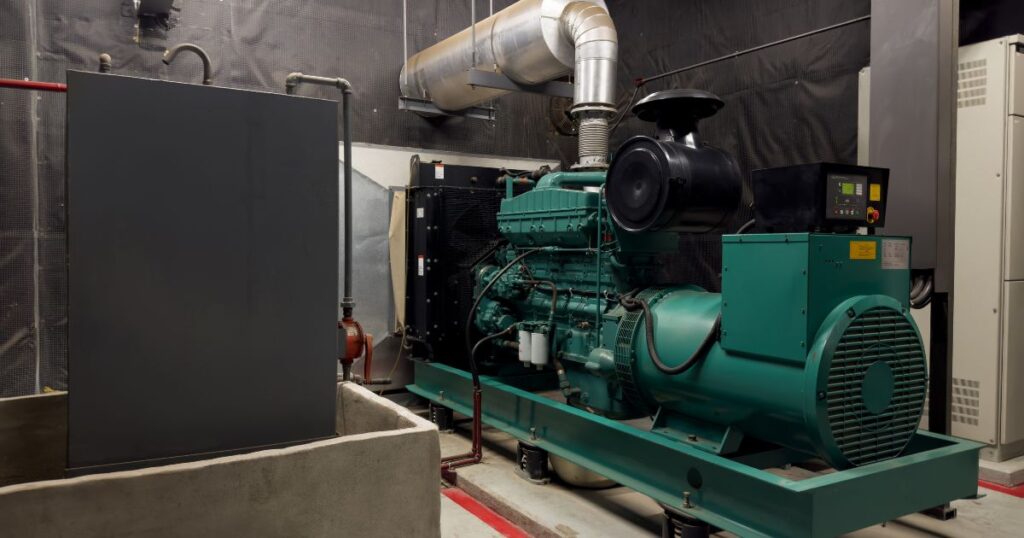
NFPA 110 is the National Fire Protection Association’s standard for Emergency and Standby Power Systems (EPSS). While NFPA standards may be adopted differently depending on your jurisdiction and facility type, NFPA 110 is widely used as the benchmark for establishing reliable testing routines.
Think of NFPA 110 as a common-sense roadmap. It helps facilities prove that the generator isn’t just “operational,” but ready for real-world outages when the stakes are high.
The simple answer: How often should generators be tested?
Most facilities follow a schedule that includes weekly inspections, monthly exercise runs, and annual system verification. Many facilities also complete a longer-duration test on a multi-year cycle to confirm extended run capability.
Instead of thinking of it as one test, think of it as a program. Each step confirms something different.
Weekly: Quick readiness inspections
Weekly checks are simple, but they catch a surprising number of issues early. The point isn’t to “test” the generator under load. It’s to confirm that nothing has changed since the last time it ran and that the unit is ready to start instantly.
Typical weekly checks include:
- Fuel level (bulk tank and day tank, if applicable)
- Engine oil and coolant levels
- Evidence of leaks or pooling fluids
- Battery charger status
- Control panel status and alarm indicators
This routine takes minutes, but it often prevents failures caused by neglected basics.

Monthly: Exercise runs (prove it starts and runs properly)
The monthly run is what most people think of as “generator testing.” This exercise verifies that the engine starts correctly, runs smoothly, and does not show abnormal alarms or indicators.
For many facilities, the recommended monthly exercise is at least 30 minutes. More importantly, the generator should ideally run under a meaningful load so it reaches appropriate operating temperatures.
Monthly exercise runs are meant to confirm:
- Engine starts reliably
- Unit stabilizes (oil pressure, temps, voltage, frequency)
- Control system and alarms respond normally
- The generator can operate without unusual vibration, smoke, or fault codes
A generator that only runs briefly or at extremely light load can develop long-term reliability issues over time, which is why meaningful exercise matters.
Annual: Full system inspection and ATS verification
At least once per year, facilities should perform a more comprehensive inspection of the entire emergency power system. This is less about “can it start” and more about ensuring the whole system works correctly as installed.
Annual testing and inspection commonly include transfer switch testing, battery evaluation, and fuel system inspection. It is also a smart time to review your documentation to ensure logs are complete and inspection-ready.
Annual review items often include:
- ATS operation and transfer function
- Battery load testing and charger verification
- Inspection of belts, hoses, cooling, and exhaust
- Fuel system condition (filters, lines, signs of contamination)
- Verification of alarms and annunciators
This is also where many organizations identify weaknesses in response planning. For example: the generator is fine, but nobody knows who to call for a fuel top-off during a prolonged outage.
Every three years: Extended runtime and load testing
The biggest gap in many emergency generator programs is simple: short test runs don’t prove long-term performance.
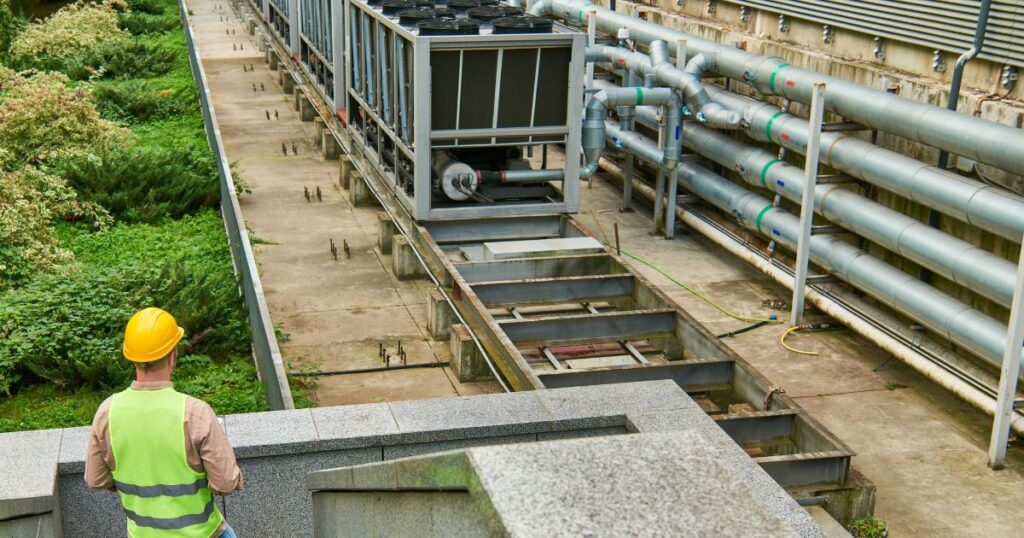
Facilities with strong reliability standards often perform longer-duration tests on a multi-year cycle. These extended tests validate the generator’s ability to operate continuously for hours, maintain stable output, and avoid overheating or derating under stress.
Extended tests are especially important for:
- Hospitals and healthcare facilities
- Data centers and telecom facilities
- Cold storage and food distribution
- Municipal infrastructure and emergency services
Because in a true grid event, generators rarely run for 30 minutes. They run all night. Or all weekend.
What generator testing is actually proving
A generator is not a single piece of equipment. It’s a system. Testing should confirm that each component works in sequence under real conditions.
A thorough testing program validates four things:
Engine readiness
Can the engine start instantly, stabilize, and remain steady?
Fuel readiness
Do you have clean fuel, correct inventory levels, working transfer pumps, and sufficient runtime?
Electrical stability
Can the unit hold stable voltage and frequency while carrying actual load?
Transfer switch performance (ATS)
Will the building actually transfer power to emergency systems when utility fails?
If any one of these steps fails, “having a generator” won’t matter.
The most common mistake: Testing without load
One of the most frequent failures in standby generator programs comes from a false sense of confidence. Many generators are exercised monthly, but under little to no load.
When diesel generators run too lightly loaded for too long, they may not reach proper operating temperature. Over time, this can contribute to carbon buildup and decreased performance. This is why many mission-critical facilities incorporate load bank testing or ensure meaningful load during routine exercise.
In plain terms: a generator that has never truly “worked hard” may not perform when required to carry critical load.
What should be documented (and why it matters)
Documentation is where good programs stand out. It’s also where some facilities get caught unprepared during inspections, audits, or insurer reviews.
At minimum, generator test logs should record:
- Date and time of the test
- Duration of run
- Approximate load (if available)
- Fuel level before and after
- Any alarms or abnormal readings
- Corrective actions taken
- Name of person/vendor performing the test
A generator that runs properly but can’t be documented can still create compliance and liability issues, especially in regulated environments.
Fuel planning is part of generator reliability
Testing and fuel readiness go hand in hand. You don’t want to learn during an outage that fuel levels weren’t being monitored or that delivery access is unclear.
Facilities should have clear answers to:
- How many hours of fuel do we actually have on site at expected load?
- At what fuel level do we trigger a refuel request?
- Who receives low-fuel alarms or tank monitoring alerts?
- Do we have a vendor agreement for emergency fuel delivery during widespread outages?
The larger and more critical the facility, the more important fuel planning becomes.
How ASM supports generator readiness
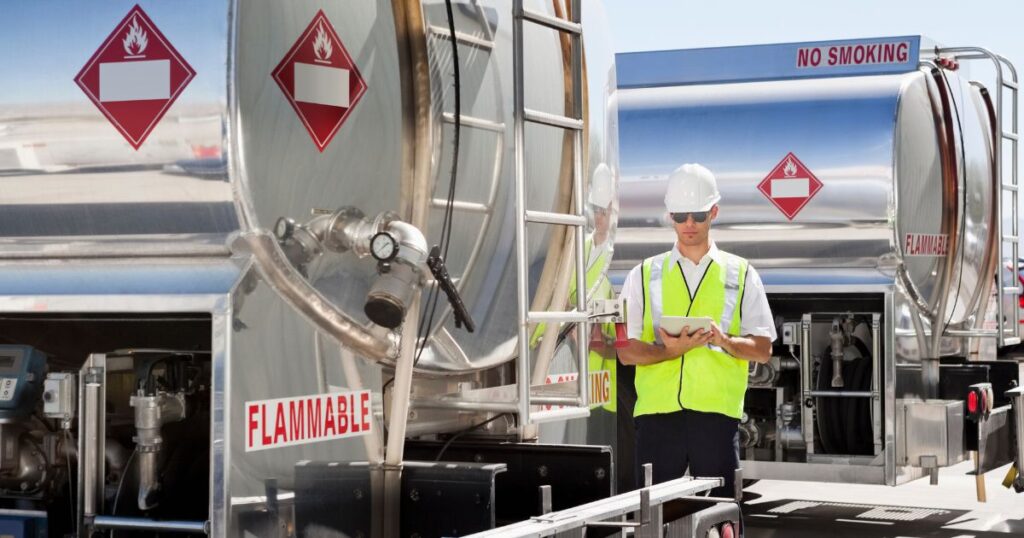
ASM helps facilities reduce generator risk through proactive fuel readiness, not just emergency response.
We support mission-critical sites with:
- Scheduled diesel refueling programs
- Storm readiness top-offs
- Emergency diesel delivery response
- Delivery documentation suitable for inspections and audits
- Coordination with tank monitoring systems and alarm thresholds
Want to confirm your generator fuel readiness?
If you manage a facility with diesel backup power, ASM can provide a Fuel Readiness Assessment to help confirm:
- Your actual runtime capacity
- Your low-level refuel threshold
- Your alarm escalation plan
- Your emergency fuel delivery readiness
Contact ASM Group today to schedule a readiness review and strengthen your emergency power program before the next outage.